Legacy data platforms often hold critical business knowledge, but they can slow reporting, limit data integration, and make advanced analytics harder than they need to be. Data platform modernization is the structured move from fragmented, rigid, or aging systems toward a modern data architecture that supports cleaner data management, faster decisions, scalable analytics, and practical AI or automation use cases. This guide explains what modernization means, how migration usually works, what to evaluate before implementation, and when a partner such as Diacto can help turn strategy into working architecture.
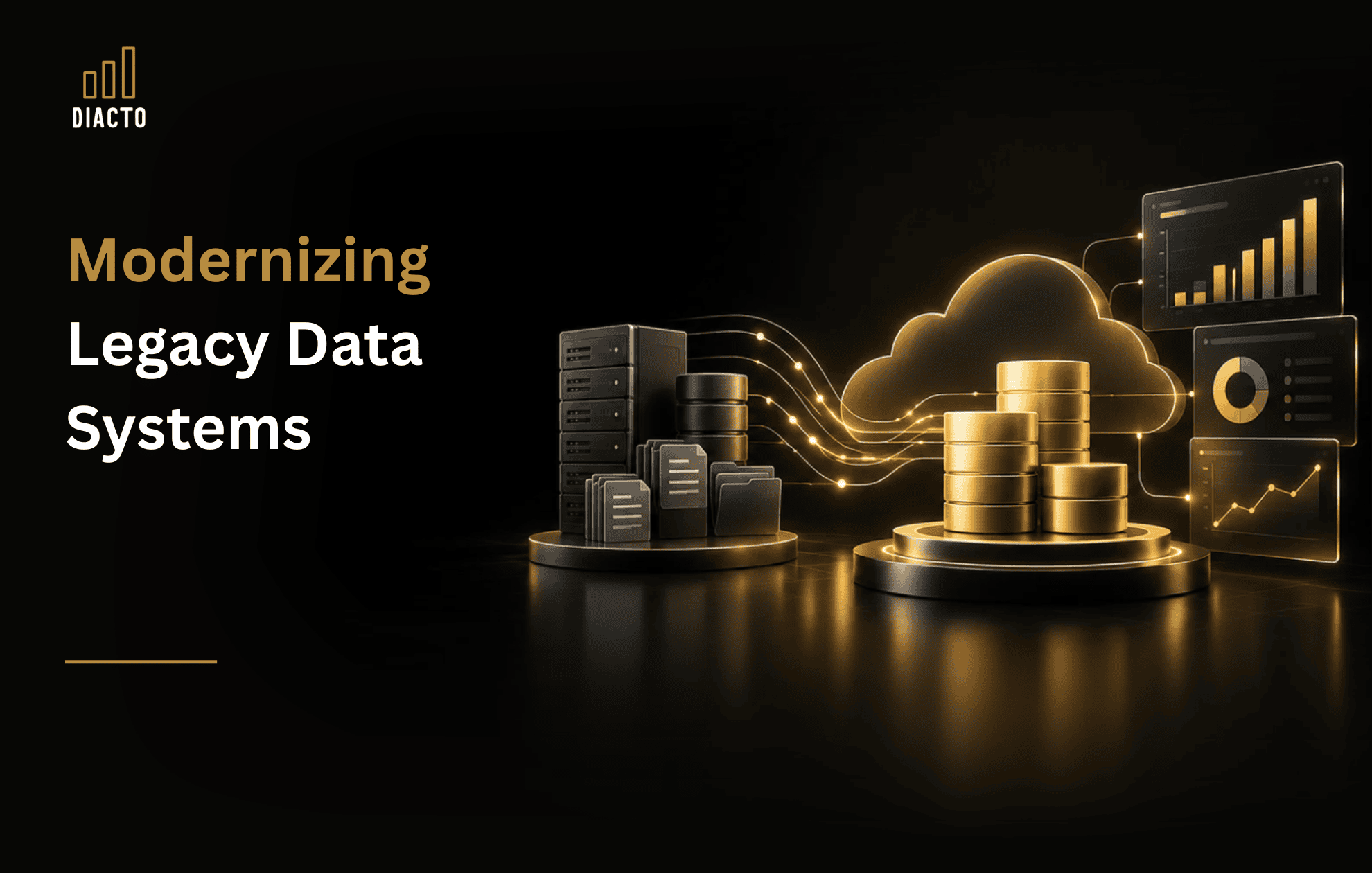
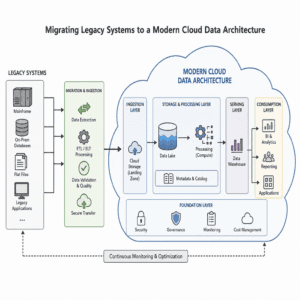
Data platform modernization is the process of improving or replacing legacy data systems so data can be collected, integrated, governed, analyzed, and activated more effectively. It may involve moving from on-premises warehouses to cloud platforms, replacing batch-only pipelines with more flexible data engineering, improving governance, or connecting business intelligence, embedded analytics, and AI workflows into one reliable data ecosystem.
A modern platform is not simply “the cloud.” It is an operating model for data. That model includes how data is ingested, stored, transformed, secured, cataloged, measured, and delivered to people or applications. For some organizations, modernization means a full migration. For others, it means targeted upgrades that reduce bottlenecks while preserving systems that still perform well.
Key terms are useful before planning begins:
Modern data architecture matters because business teams increasingly need trusted data at the speed of operations, not weeks after a request enters a technical queue. When data is trapped in isolated systems, leaders struggle to compare performance, analysts spend time reconciling numbers, and automation projects fail because the underlying data is incomplete or inconsistent.
The practical value is not just technical. Better data management helps teams define ownership, quality rules, access controls, and a common language for metrics. Stronger data integration makes it easier to connect customer, finance, product, operational, and marketing data without building fragile one-off extracts. A scalable architecture also gives organizations more room to adopt predictive analytics, embedded analytics, and AI-enabled workflows when the business is ready.
Modernization is especially important when legacy systems create visible friction, such as:
The strongest modernization programs connect platform decisions to business outcomes. A new warehouse, lakehouse, dashboard, or pipeline should not be adopted because it is fashionable. It should solve a known problem: slow close cycles, unreliable executive reporting, poor customer visibility, limited forecasting, or inefficient manual processes.
Common benefits include:
A legacy environment often grows through necessity. One system supports finance, another supports sales, another holds product data, and reporting teams build workarounds to answer urgent questions. Over time, the organization may depend on processes that are hard to document, difficult to scale, and risky to change.
A modern environment is designed around reuse and governance. Instead of every team creating its own version of the truth, shared data models, documented pipelines, and access policies make data easier to trust. The difference is less about a single technology and more about architecture, ownership, and operating discipline.
A practical comparison looks like this:
A successful migration usually moves in phases rather than a single high-risk cutover. The goal is to understand what exists, design what should change, and then transition workloads in a controlled way.
Start by inventorying data sources, reports, pipelines, databases, users, pain points, security requirements, and business-critical dependencies. This assessment should identify what must be migrated, what can be retired, and what should be redesigned. It should also reveal hidden manual processes that keep current reporting alive.
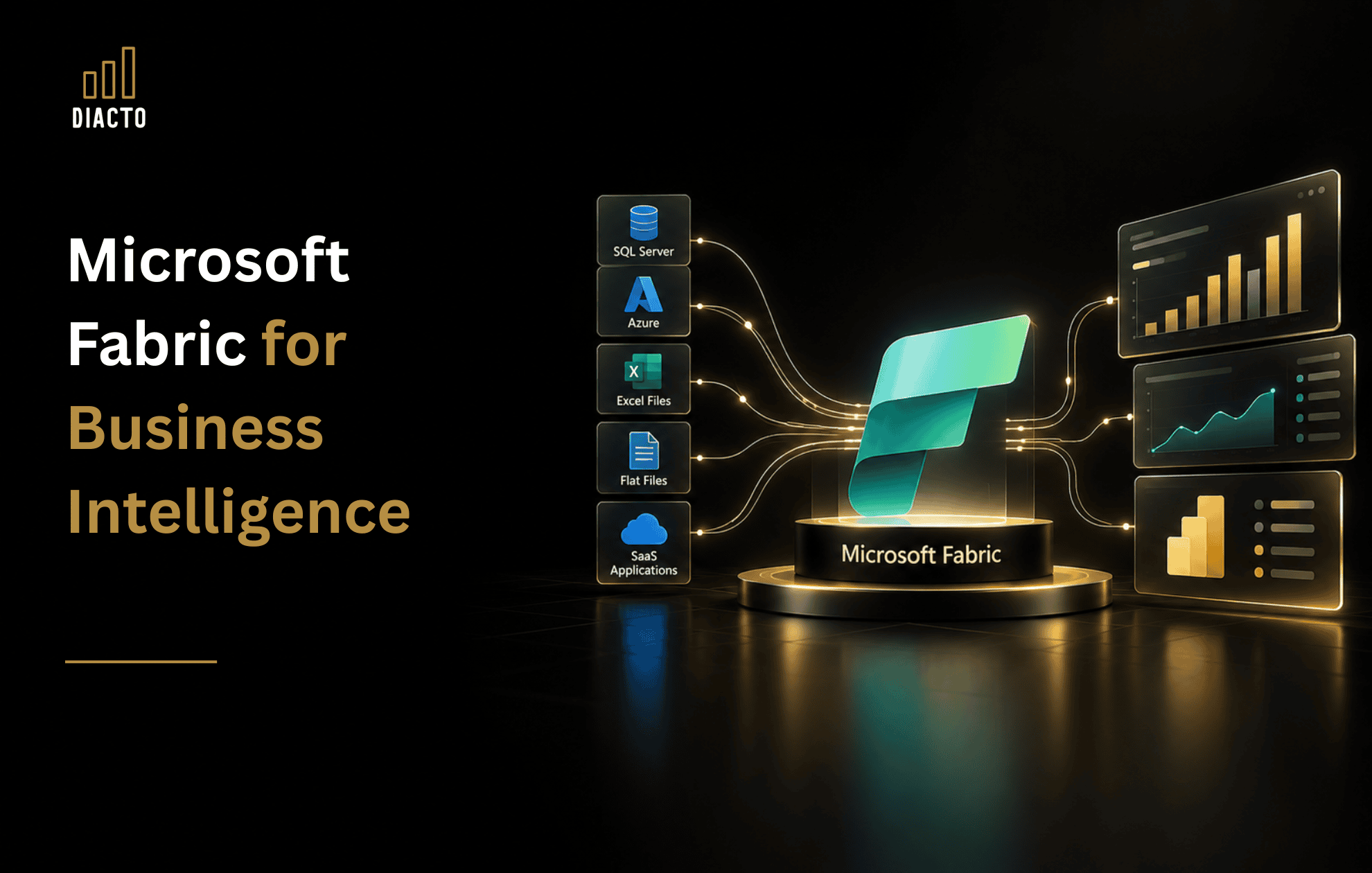
The target architecture should reflect workload needs. Some organizations need a cloud data warehouse such as Snowflake. Others need high-performance analytics patterns where technologies like ClickHouse may be relevant. Teams using Microsoft ecosystems may evaluate Power BI and Microsoft Fabric, while organizations focused on executive dashboards or operational reporting may consider Domo.
Diacto can be involved at this stage through strategy and architecture work, helping teams map business goals to platform decisions without treating technology selection as the whole answer.
Migration planning should define source-to-target mappings, transformation logic, testing requirements, downtime constraints, and rollback options. Data integration patterns should also be standardized so future sources are easier to onboard. This is where data engineering discipline matters: pipelines need monitoring, error handling, documentation, and ownership.
Reports should not always be copied exactly as they exist. Some dashboards are redundant, outdated, or built around legacy limitations. Modernization is an opportunity to rationalize metrics, improve semantic models, redesign dashboards, and decide where embedded analytics can bring insights into existing workflows. Diacto Embed, for example, is relevant when analytics need to be delivered inside a product, portal, or application experience.
After migration, the platform should be tuned for performance, cost, usage, and reliability. Governance practices should be operationalized through access controls, lineage, data quality checks, and stewardship. From there, teams can expand into advanced analytics, AI, and automation when the data foundation is stable.
Modernization decisions should be evaluated across architecture, integration, security, governance, scalability, cost, and performance. If one area is ignored, the platform may work technically but fail operationally.
Use this checklist during planning:
Diacto’s Data Solutions work can sit across these stages, including consulting and implementation for Domo, Snowflake, ClickHouse, Power BI/Microsoft Fabric, and broader Data Engineering needs. The practical goal is to connect platform design with implementation, integration, optimization, analytics, and AI or automation readiness.
The most common challenges are rarely caused by technology alone. They usually come from unclear ownership, underestimated complexity, weak governance, or poor alignment between technical teams and business users.
Frequent issues include:
The best response is disciplined prioritization. Migrate high-value workloads first, validate results with business owners, document reusable patterns, and avoid rebuilding every legacy artifact just because it exists.
A consulting partner is useful when the organization needs objective architecture guidance, specialized implementation skills, faster delivery, or help connecting data strategy to measurable business use cases. Internal teams may understand the business deeply, while an external partner can bring patterns from platform design, data integration, analytics delivery, and optimization.
Consider outside support when:
Selection criteria should include practical architecture experience, ability to work across business and technical stakeholders, familiarity with the relevant platform ecosystem, and a clear implementation approach. Diacto is one example of a partner that can contribute across strategy, architecture, implementation, data integration, optimization, analytics, and AI/automation, including relevant Diacto Labs products when a reusable solution fits the need.
Not every organization needs a full migration immediately. Sometimes a phased or partial approach delivers more value with less risk.
Alternatives include:
These approaches can be smart when budgets, timelines, or organizational readiness are limited. They also help teams build confidence before larger change.
The timeline depends on scope, system complexity, data quality, governance requirements, and the number of workloads being migrated. A focused analytics modernization may move faster than a full enterprise platform migration. The safer planning approach is to define phases, success criteria, and dependencies rather than commit to an arbitrary deadline.
No. Modernization is a good time to identify which reports are still used, which metrics need standardization, and which dashboards can be retired. Migrating everything can preserve clutter and increase cost.
AI can be a strong reason, but only when the foundation is ready. Models, copilots, and automation workflows need governed, accessible, high-quality data. Without that foundation, AI initiatives often expose the same data management issues that already affect reporting.
Data platform modernization works best when it is treated as a business capability upgrade, not just a technology replacement. The right approach clarifies current pain points, designs a modern data architecture around real workloads, improves data integration, strengthens governance, and creates a foundation for analytics, AI, and automation.
Start with an assessment, prioritize high-value use cases, and modernize in phases that reduce risk while building momentum. Whether handled internally or with a partner such as Diacto, the objective is the same: make data easier to trust, easier to use, and more valuable in everyday decisions.